

Risk Management in Trading: The #1 Skill Every Trader Must Master
Risk management in trading is the difference between traders who survive and those who quit. Most beginners focus on entries, indicators, or tips—but in reality, capital protection matters more than profits.
In my trading experience, traders don’t fail because of bad strategies; they fail because of poor risk control. This guide will teach you practical risk management rules, real examples, and common mistakes—especially for Indian traders dealing with Nifty, Bank Nifty, stocks, and derivatives.
🔹 Introduction (Why Risk Management Is Critical)
Risk management in trading should be learned before placing your first trade. A single uncontrolled loss can wipe out weeks of profits—or even your entire account.
Did you know?
80–90% of retail traders lose money long term
The main reason is over-risking per trade
👉 This article explains how to manage risk, protect capital, and stay in the market long enough to grow.
📌 Table of Contents
- Current Market Reality for Traders
- What Is Risk Management in Trading?
- Core Risk Management Rules Every Trader Must Follow
- Stop Loss, Position Sizing & Risk-Reward
- Common Risk Management Mistakes
- Trading Psychology & Discipline
- FAQs
- Final Conclusion & CTA
📊 Current Market Reality (Indian Context)
- Nifty & Bank Nifty move fast due to algos
- Intraday volatility is high
- Options trading amplifies risk
- SEBI data shows most losses come from overtrading & no stop-loss
📌 Markets don’t punish bad analysis—they punish bad risk control.
🧠 What Is Risk Management in Trading?
Risk management means controlling how much you lose when you’re wrong.
It includes:
📌 You don’t need a high win rate—you need controlled losses.
🔐 Core Risk Management Rules (Non-Negotiable)
🔹 Rule 1: Risk Only 1–2% Per Trade
If your capital is ₹1,00,000:
Max risk per trade = ₹1,000–₹2,000
This rule alone can save your trading career.
A stop loss:
- Limits emotional decisions
- Protects capital
- Keeps losses predictable
❌ No stop loss = gambling
✅ Fixed stop loss = trading
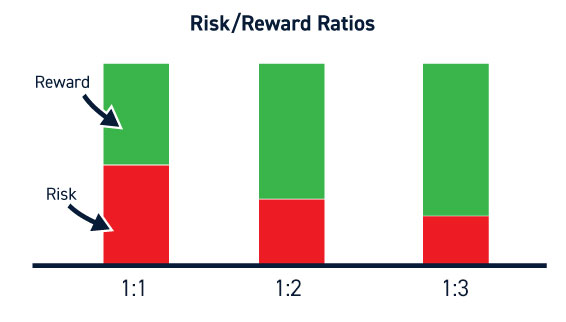
🔹 Rule 3: Maintain Risk–Reward Ratio
Minimum recommended:
Example:
Risk ₹500 → Target ₹1,000
📌 Even with 40% win rate, you can stay profitable.
📉 Stop Loss, Position Sizing & Capital Protection
🔸 Position Sizing (Most Ignored Rule)
Position size depends on:
- Capital
- Stop loss distance
- Risk per trade
📌 Bigger position ≠ bigger profit
📌 Bigger position = bigger emotional pressure
🔸 Trailing Stop Loss (Advanced)
Use trailing SL when:
- Trade moves in your favor
- Trend is strong
This helps lock profits while letting winners run.

❌ Common Risk Management Mistakes
Major Mistakes I’ve Seen Traders Make:
- Increasing quantity after losses
- Removing stop loss
- Overtrading revenge setups
- Risking big on “sure-shot” tips
📌 There is no sure-shot trade in the market.
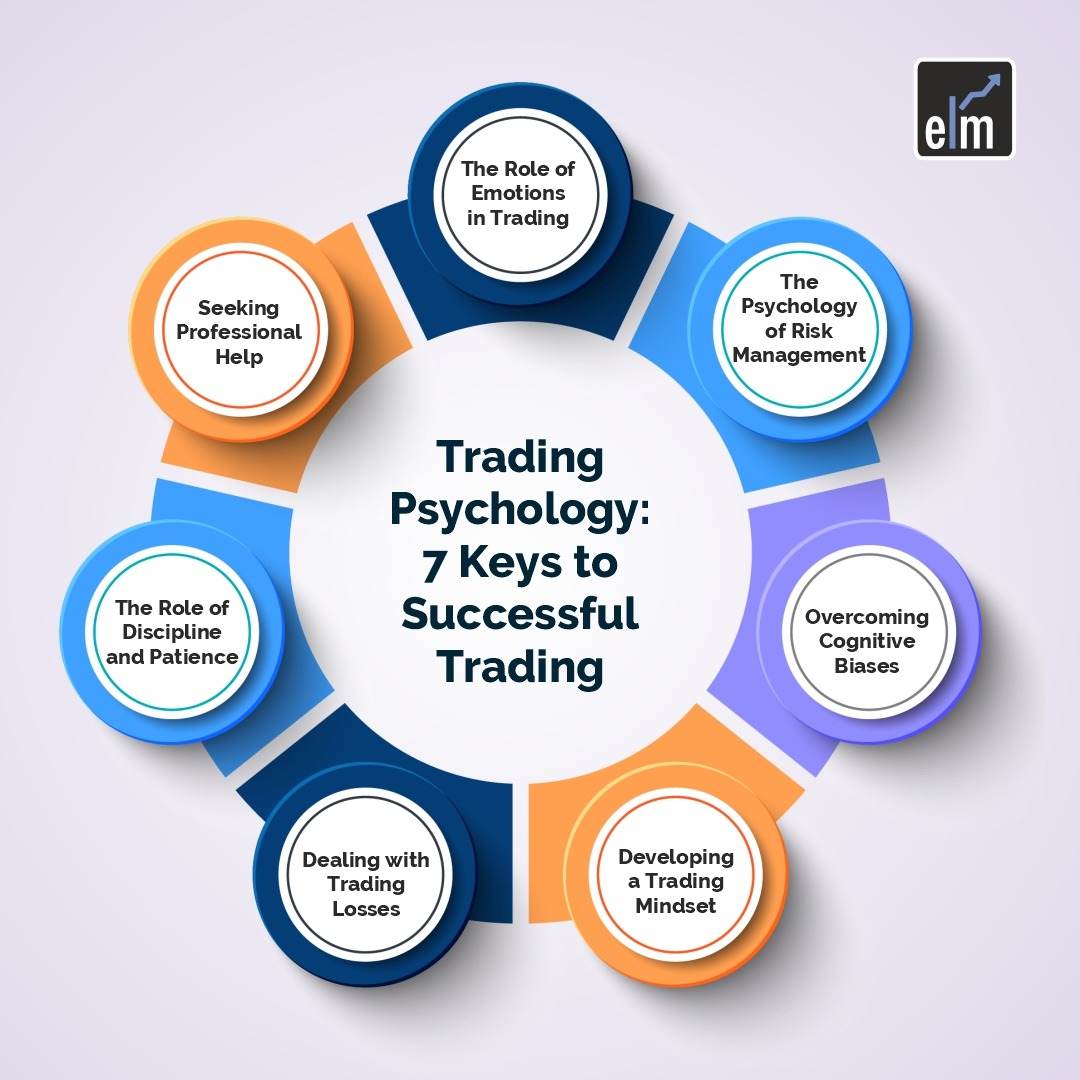
🧠 Trading Psychology & Discipline
Risk management fails without discipline.
Practical Rules I Personally Follow:
- Max 2–3 trades per day
- Daily loss limit (stop trading after hit)
- No trading after emotional stress
📌 Protecting mental capital is as important as money.
⚠️ Risk Disclaimer (Finance Niche – Mandatory)
Stock market trading involves risk. Past performance does not guarantee future results. This content is for educational purposes only and not SEBI-registered investment advice.
🔗 Internal & External Links
Internal Links (Examples):
- Beginner Guide to Trading
- How to Start Algo Trading in India
External Authority Links:
❓ FAQs – Risk Management in Trading
Q1. Why is risk management more important than strategy?
Because even the best strategy fails without capital control. Risk management keeps you in the game long term.
Q2. What is the best risk percentage per trade?
Most professional traders risk only 1–2% per trade.
Q3. Is stop loss mandatory in intraday trading?
Yes. Intraday volatility makes stop loss absolutely essential.
Q4. Can I be profitable with low win rate?
Yes. With good risk–reward and discipline, even a 40% win rate can work.
🏁 Final Conclusion + CTA
Risk management in trading is not optional—it’s survival. You don’t need perfect entries, secret indicators, or tips. You need controlled losses, discipline, and patience.
👉 Follow us for daily trading education
👉 Bookmark this risk management guide
👉 Share with traders who want long-term survival
📌 Golden Rule:
Your first job as a trader is not to make money—it is to protect capital.
